A catalogue of works, 2024–2026
Two grammars, one hand.
Sixteen paintings in acrylic on paper, made between Amman and Frankfurt — one half taped, contained, and precise; the other left to run, stain, and weather.
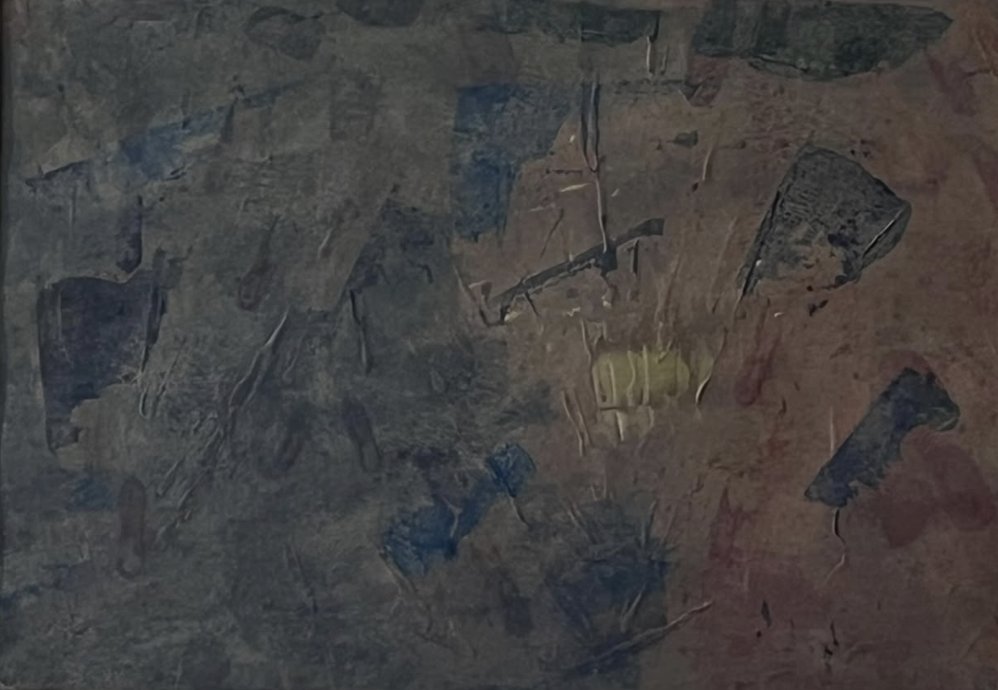
Blue Hour — acrylic on paper
Series I
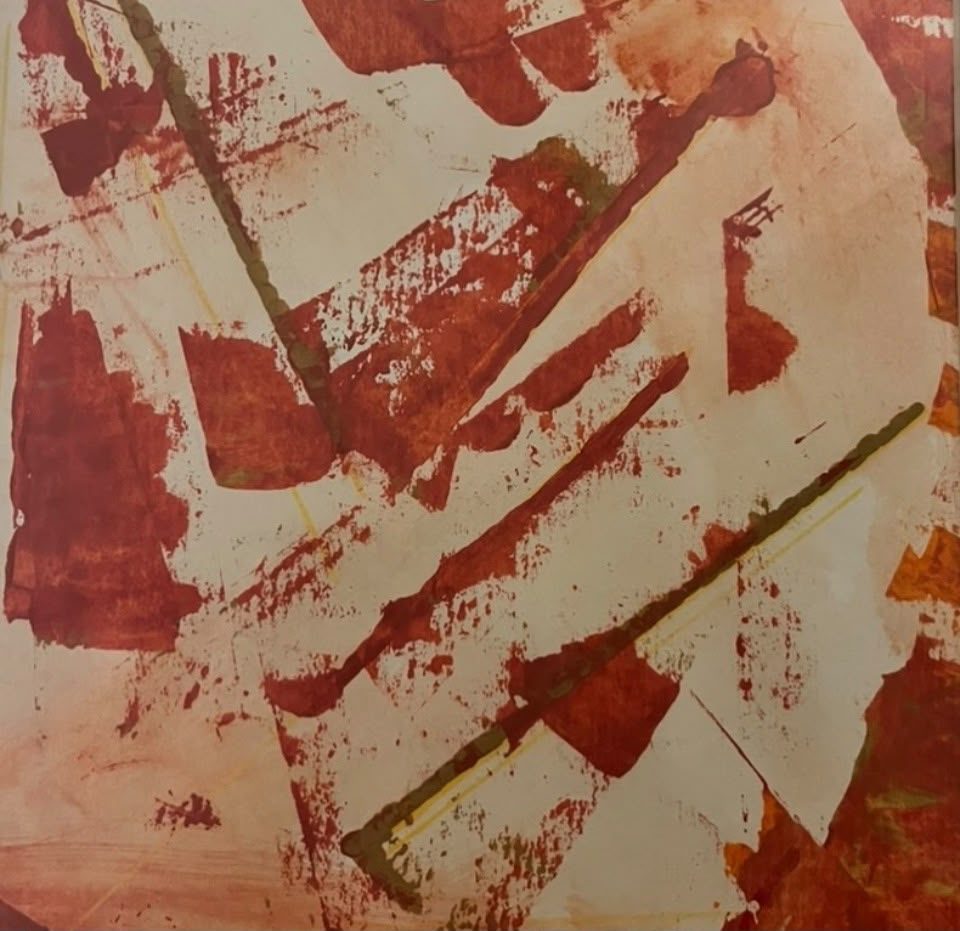
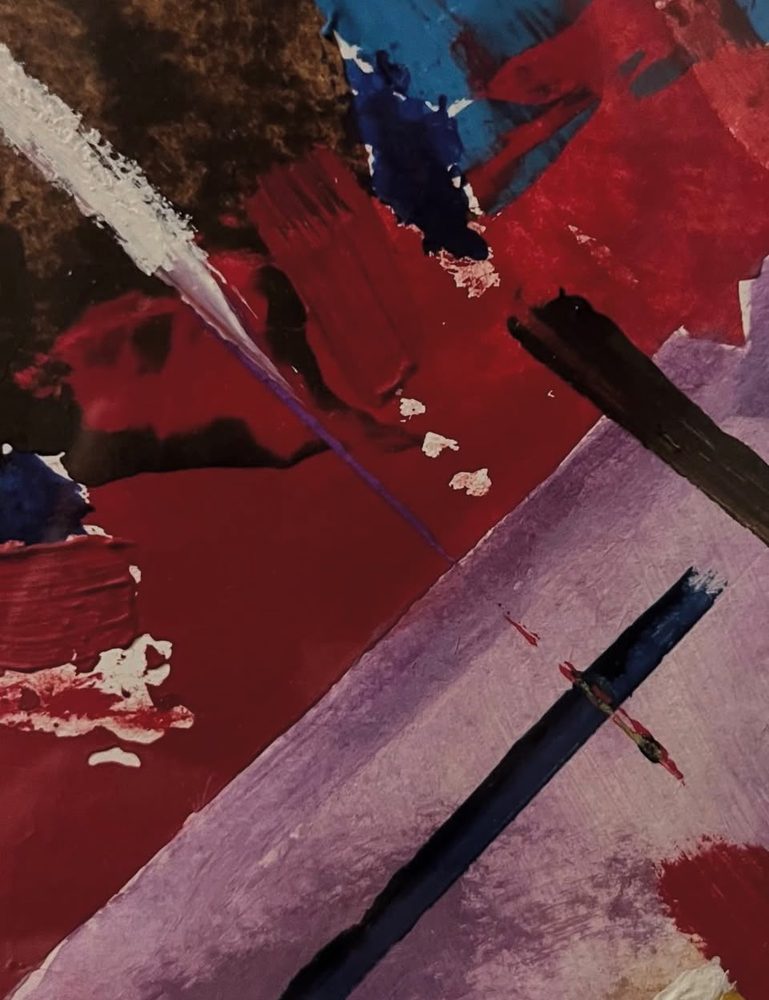
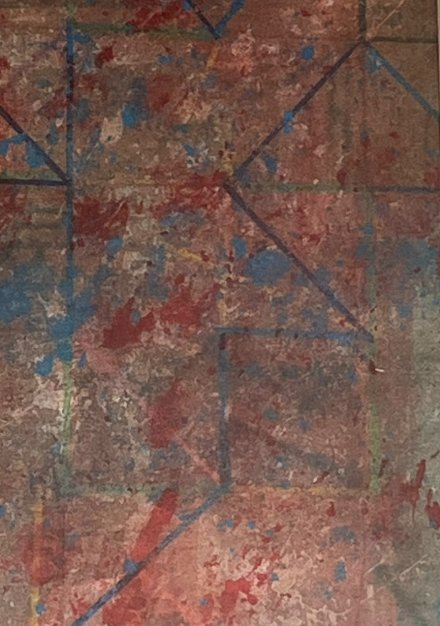
Fault Lines
Sun-bleached grounds and diagonal drip work — the closest translation of the Jordanian landscape: heat, erosion, and the residue of water that isn’t there anymore.
Series II
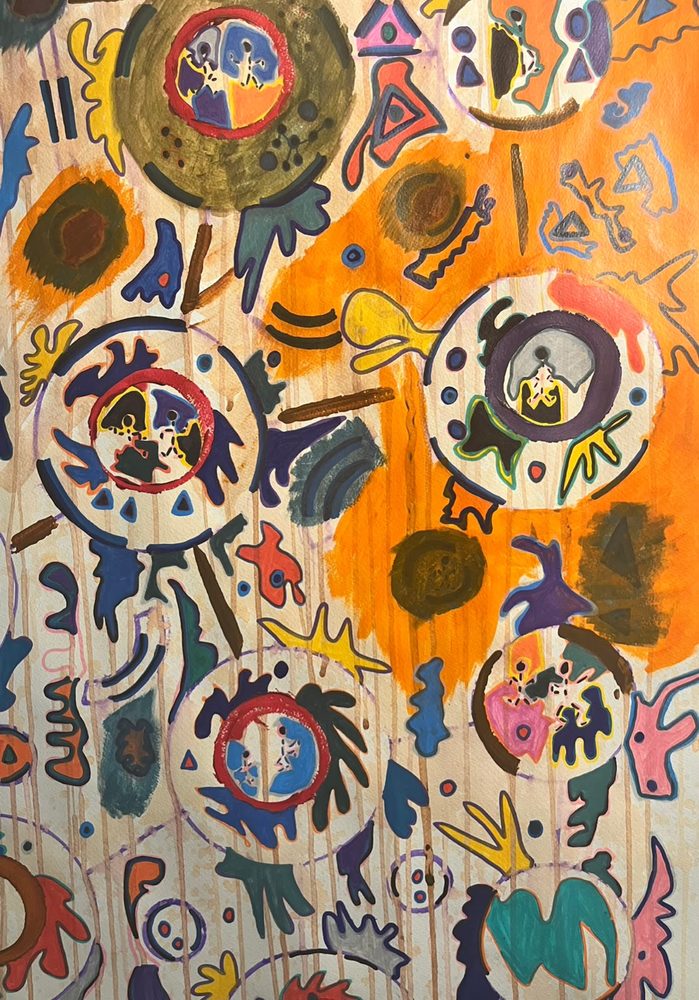
Inner Circles
A single, dense work built from repeating circular forms — closer to textile or tilework than to landscape, and the piece most directly in conversation with the artist’s Jordanian heritage.
Series III
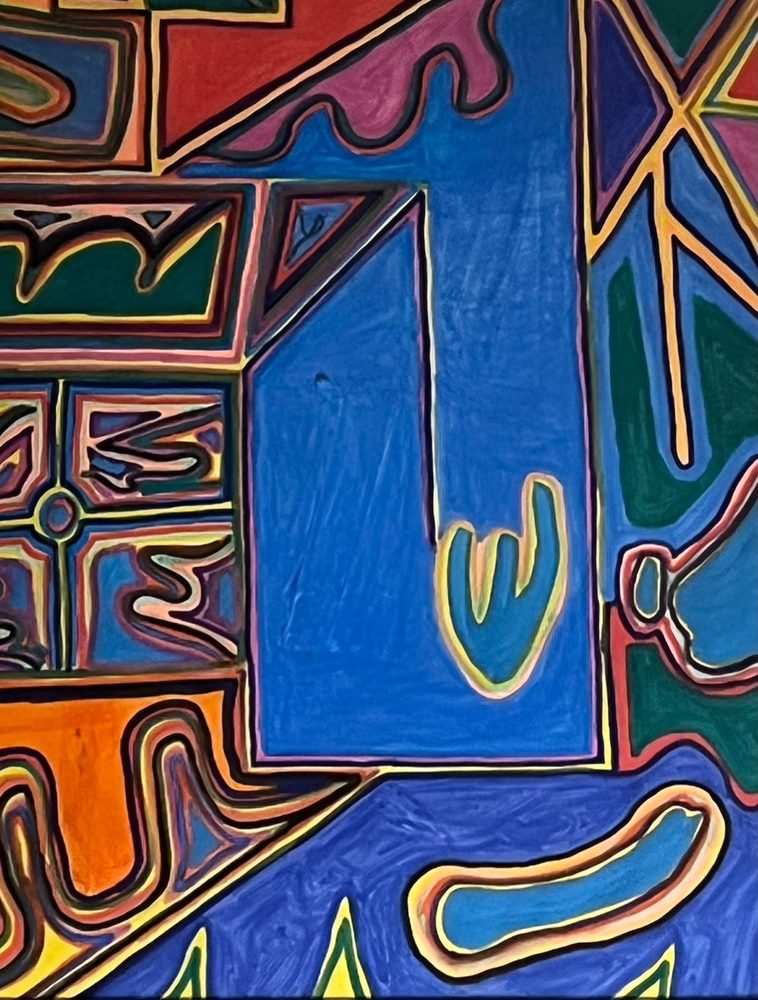
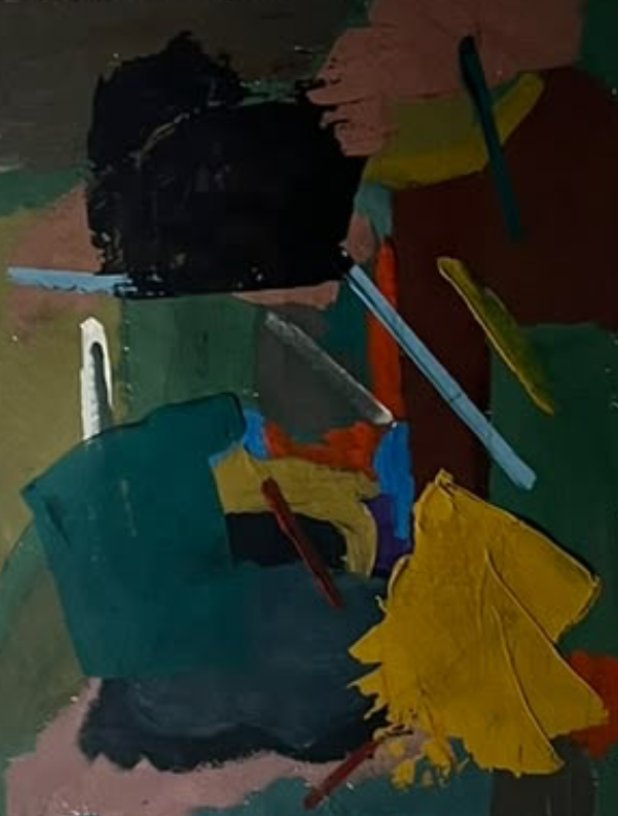
Hard-Edge Geometry
The most structurally disciplined work in the catalogue — taped edges, assigned color fields, and a level of containment that reads as the more German half of the artist’s visual instincts.
Series IV
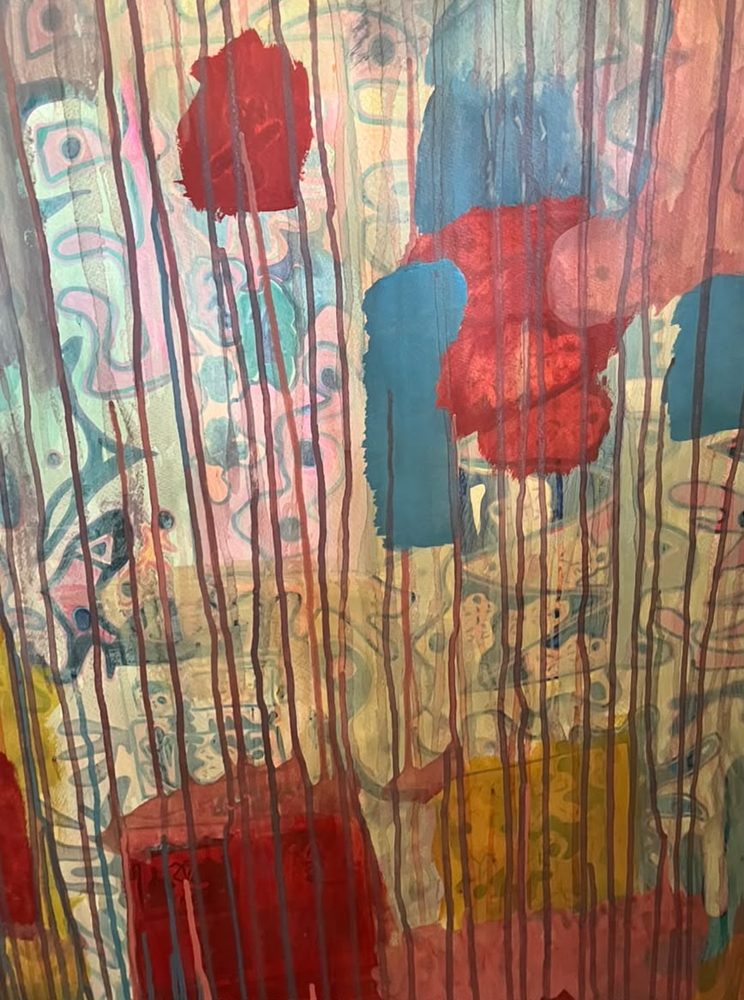
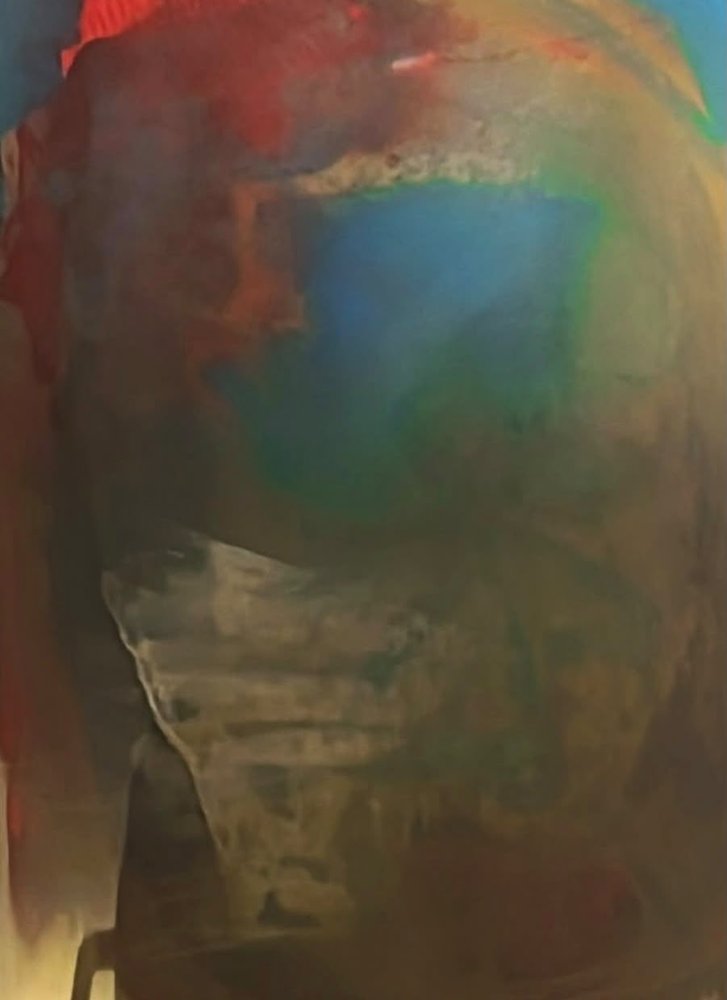
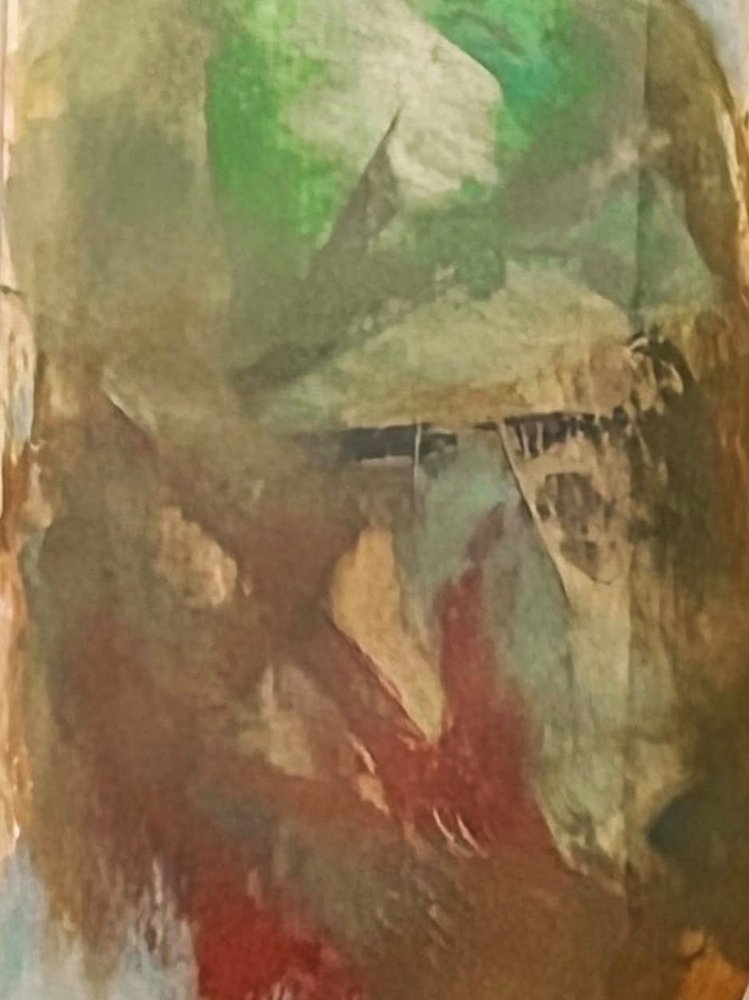
Passage
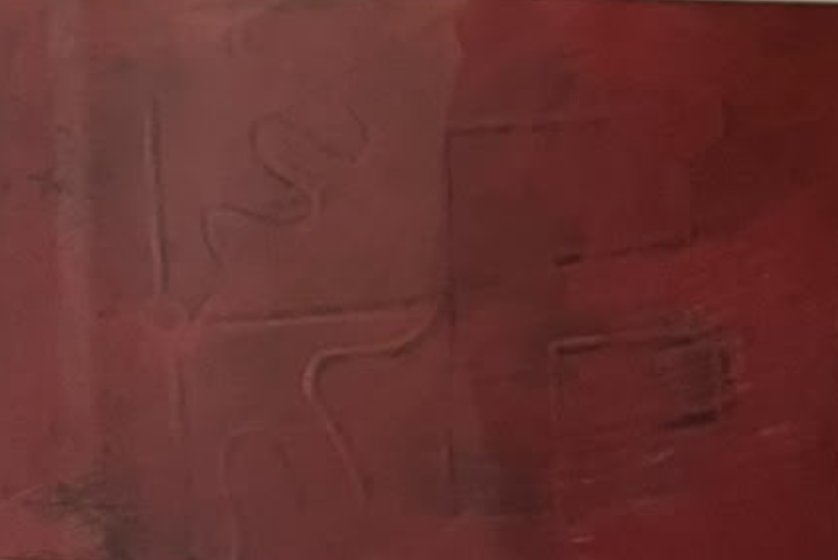
Two studies in soft focus — color allowed to bloom and bleed into itself rather than resolve into shape. The closest the artist comes to painting weather instead of place.
Series V
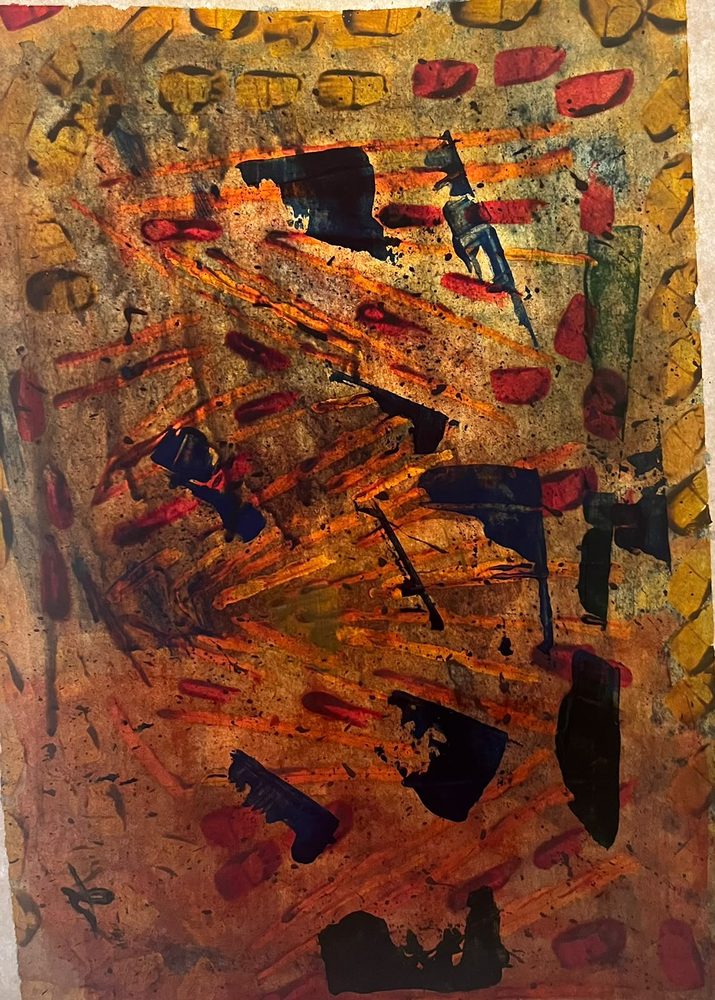
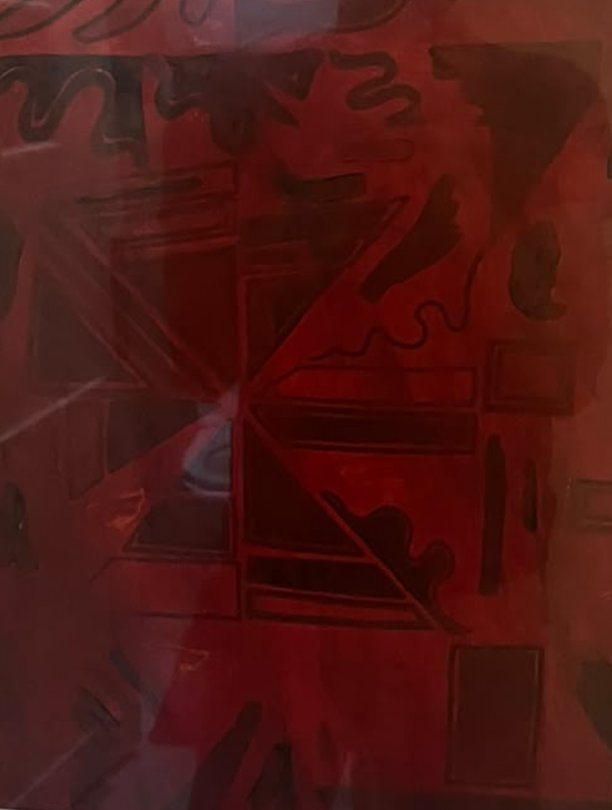
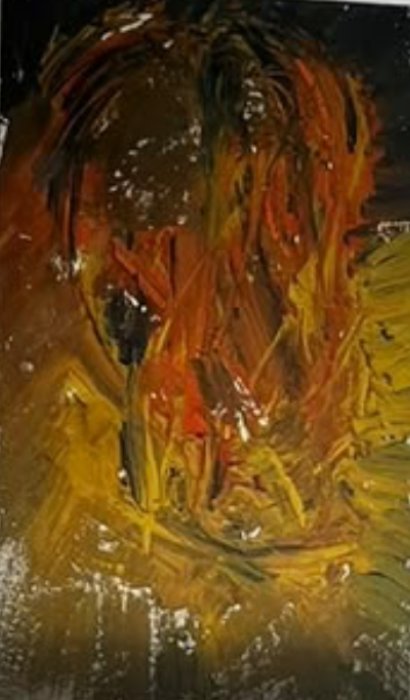
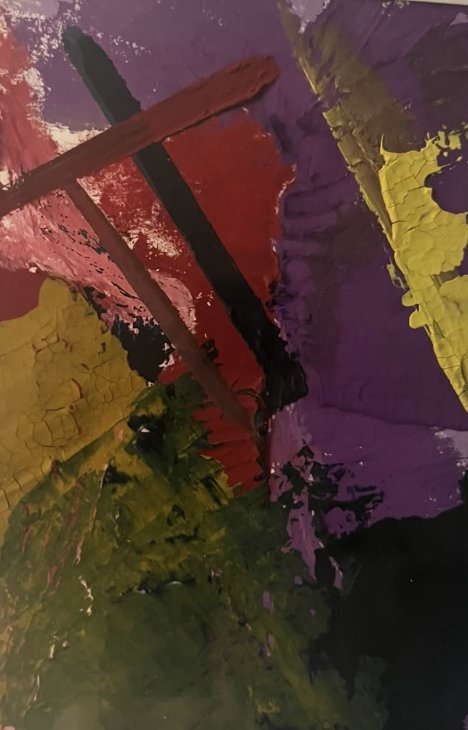
Embers
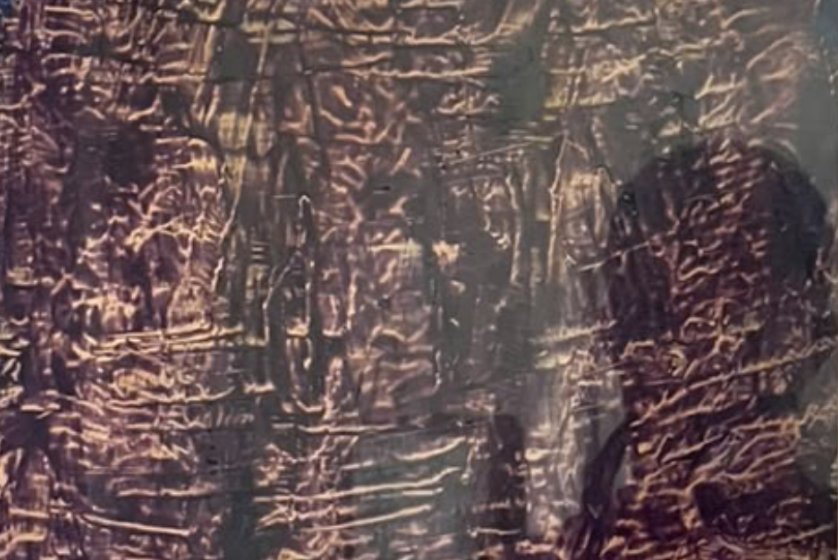
The newest and darkest body of work in the catalogue — heavier, more gestural, worked mostly at night. Where the earlier series contain color, these let it fight.
The artist
Laith Khatatbeh is a Jordanian-German painter based between Amman and Frankfurt, where he has lived for the past eight years. By day, he works in marketing and brand strategy; by night and on weekends, in acrylic on paper.
He holds no formal art training. What he holds instead is a licensed tour guide’s card for Jordan, a habit of visiting twenty-five countries and counting, and a long-running argument between two inherited ways of seeing — one contained and precise, one loose and weathered — that this catalogue is an attempt to settle, painting by painting.
“I paint the way I travel — always translating between two grammars that don’t naturally agree.”
Germany taught containment: a shape gets an edge, a color gets a role, and the two keep to them. Jordan taught the opposite — that the most honest mark is the one allowed to run, stain, and weather, the way water moves through a wadi once a year and leaves a record of its passage.
Life & influences
Where the paintings come from
Looking out toward the Alhambra, Granada, Spain
Granada
Nasrid tilework doesn’t decorate a surface — it builds an entire logic out of a single repeated unit, the way a good geometric painting should. The honey-and-rust stone is close to the palette that later became Fault Lines.
A quiet habit, repeated in every city with a museum
Standing in front of color
Wherever travel leads, the same habit follows: standing still in front of one large, contained field of color for far longer than the wall label deserves — the most direct throughline to the Hard-Edge Geometry series.
Enquire
Prints and originals available on request. Whether you’re interested in an existing painting or a commission, get in touch — every message gets a personal reply.
Email Laith.khd287@gmail.com
Phone +962 77893 5191
Instagram @laithm92
Based Amman · Frankfurt · Dubai Send enquiry
Sixteen works. Two countries. One practice.
© 2026 Laith Khatatbeh. All works acrylic on paper, dimensions variable.